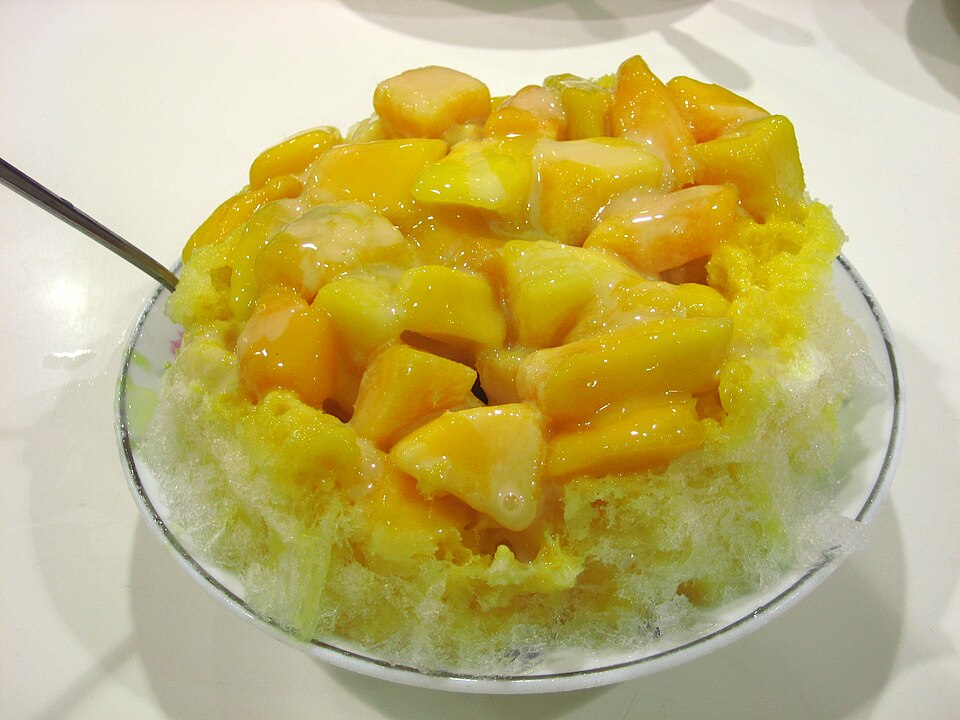
What it is
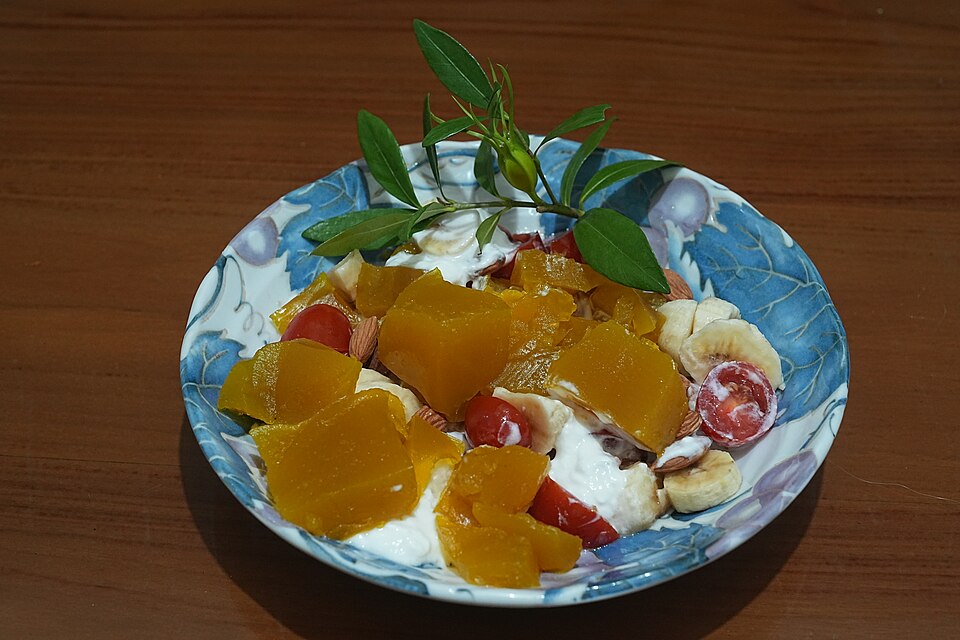
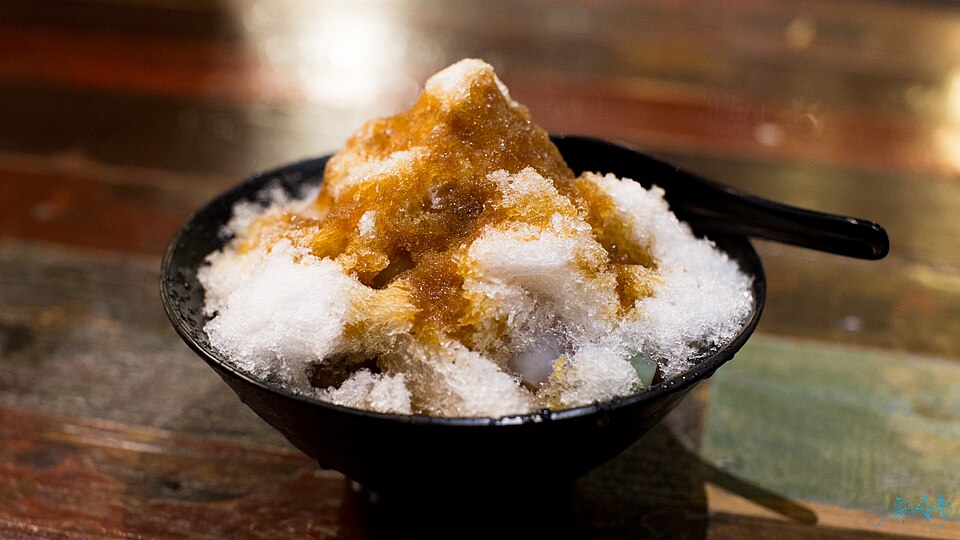
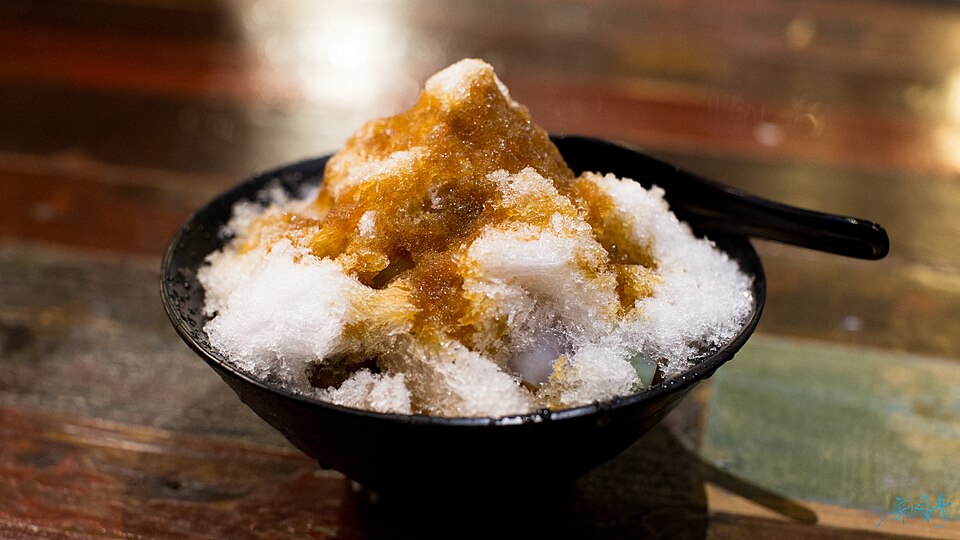
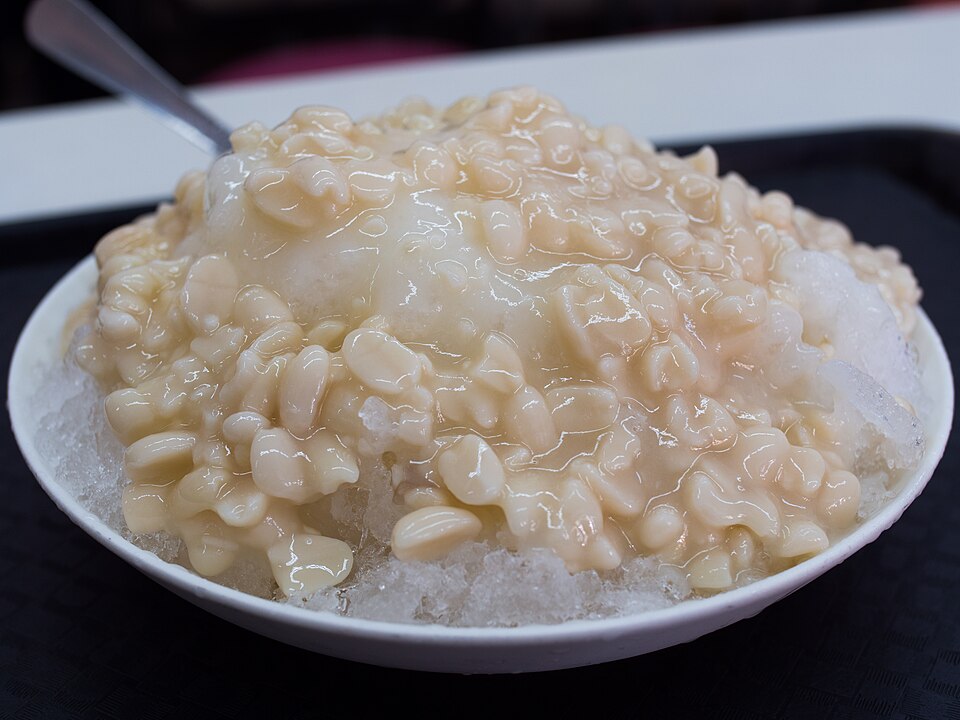
Tshuah-ping (剉冰), also called baobing (刨冰), is a bowl of shaved ice piled high and covered with toppings. The usual ones are adzuki beans, mung beans, tapioca balls and chewy tangyuan (湯圓, glutinous rice balls), sweetened with sugar syrup or condensed milk. Eight-treasure ice (八寶冰) is a mixed bowl of several house-made toppings. Fruit toppings change with the season.
Where it came from
Shaved ice came to Taiwan under Japanese rule. Ice was first crushed with a mallet or shaved with a blade. Most shops now use machines, which give finer, thinner flakes.
The food writer Hally Chen sees the local style as a meeting of two things. One was the ice-making and ice-shaving machines that spread from the Japanese era. The other was the habit of boiling sweet beans that Chinese settlers brought with them. Taiwan's fruit did the rest.
From the 1940s to the late 1980s the ice parlour (冰果室) was an everyday place to eat out. Many also sold hot dishes to keep trade going through the winter. Convenience stores and tea-drink chains later forced many to close. A few stalls go back to the colonial period. Chiang Shui Hao (江水號) in Tainan began on open ground behind the West Market, which the Japanese authorities had set aside for street vendors.
How it is made
Ice is shaved by machine into a loose heap of flakes. The toppings are cooked separately, often by hand in the shop each day. Beans are simmered soft and sweet, taro is cooked until it falls apart, and glutinous rice is ground, drained, shaped into balls, boiled and soaked in syrup. The bowl is finished with sugar syrup, brown-sugar syrup or condensed milk. Snowflake ice (雪花冰) is a variant shaved from a frozen block of milk and fruit.
How to eat it
Shaved ice is a hot-weather dish, and many shops also sell hot sweet soups, especially in winter. At most counters you pick a set number of toppings, often five, or ask for mixed ice (綜合冰) and let the staff choose. Queue, order and pay at the counter, then carry the bowl to a seat.
Around Taiwan
- Tainan
- Tainan's Guohua Street has two old dessert shops: Chiang Shui Hao, still run by the founder's son and grandson, and Yuan Zai Hui (八寶彬圓仔惠), over 50 years old and known for its rice balls. In Yanshui, Yin Feng (銀鋒冰果室) tops red bean milk ice with an egg yolk.
- Kaohsiung
- Yancheng District has a cluster of long-running ice shops, among them A-Po-Tsai Ice (阿婆仔冰), open since 1934, and Tseng Family Old-Style Shaved Ice (曾家古早味剉冰), founded in 1954 and known for its brown-sugar syrup. In Meinong, Tungmen Ice Shop (東門冰菓室) still makes banana-flavoured plain ice.
- North
- In Luodong, Yilan, Bingxue Cold Drinks (冰雪冷飲部) has served snow ice alongside hot steak since the mid-1970s, a sign of how old ice parlours paired ice with hot food.
- East
- Taitung City once had a dense run of ice parlours. Around Cheng Tung Shan Ice House (正東山冰屋), about ten were trading within 100 metres of each other at their peak.