What it is
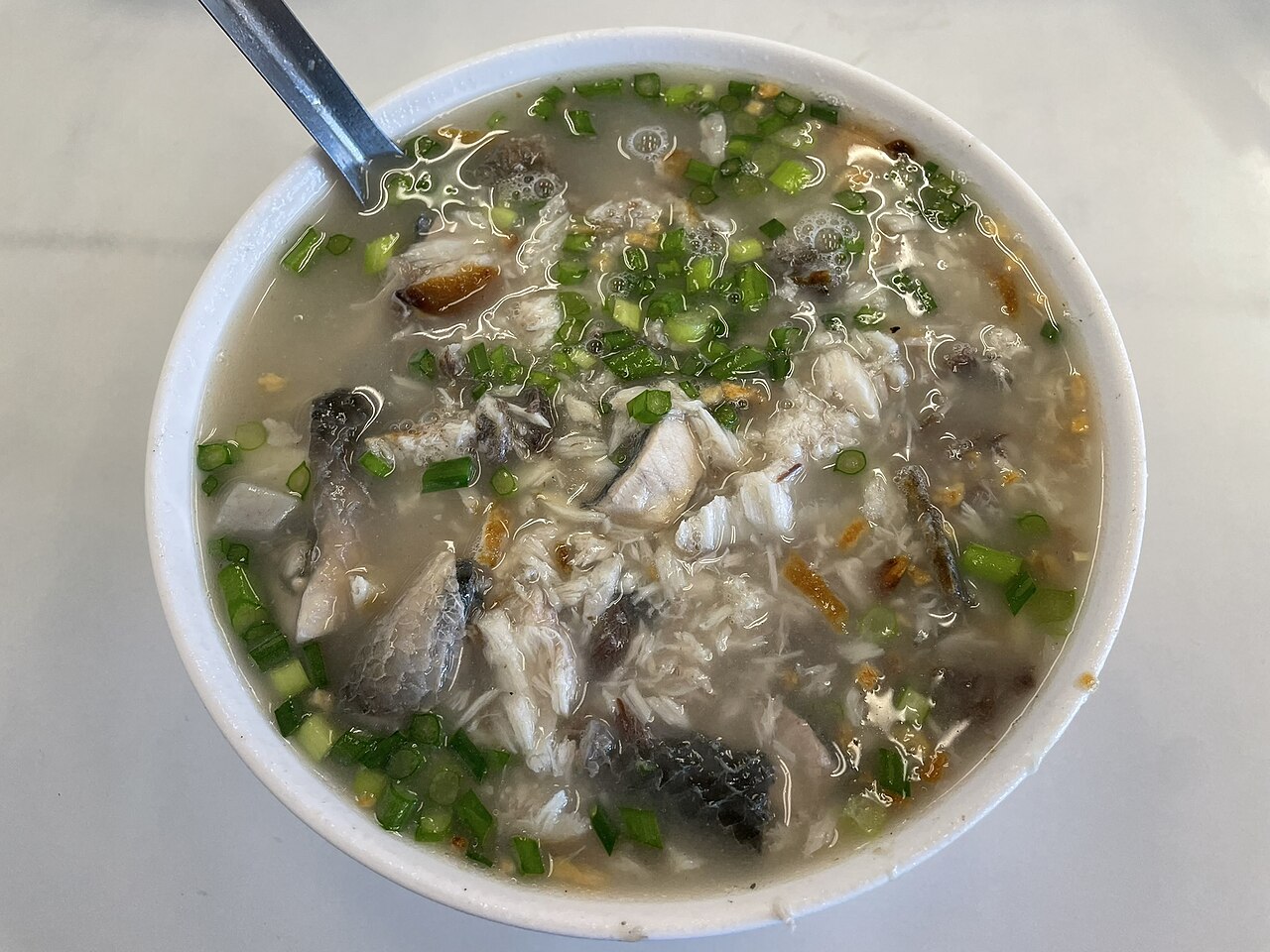
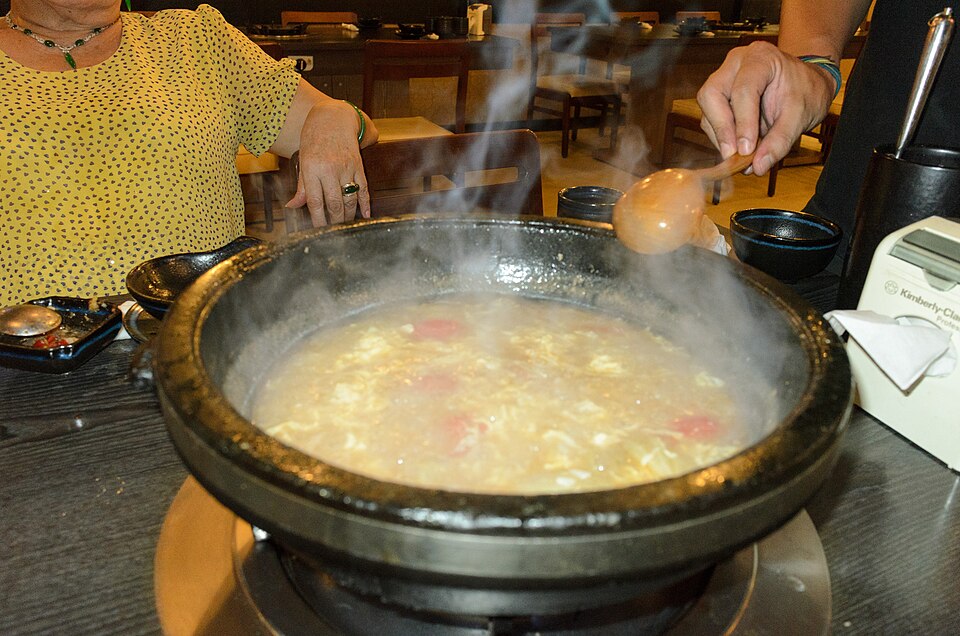
Xian zhou (鹹粥, 'salty congee') is the Taiwanese name for savoury rice porridge, and it comes in two broad styles. In Tainan it is loose and soupy: firm rice grains in a clear fish stock with milkfish, oysters, Chinese celery and fried garlic. Northern stalls usually cook raw rice in the stock, often with pork, dried shrimp or small dried fish, and shallots.
Where it came from
The southern style descends from the 'half congee' (半粥) of Quanzhou in Fujian, where the rice is stopped short of the soft, broken-down porridge preferred in Canton. The writer Tsao Ming-tsung (曹銘宗) dates its arrival in Taiwan to around 1732. He says it took hold where Quanzhou families settled, including Monga (艋舺) and Dadaocheng (大稻埕) in Taipei as well as Tainan.
Tainan gave the dish its fish. A Han Congee (阿憨鹹粥) traces its start to a stall set up in 1946 by Cheng Chi (鄭極), a man of Quanzhou descent, by a temple in the old Shijingjiu (石精臼) quarter. Tsao credits him with adding milkfish (虱目魚), which is farmed widely in southern Taiwan, and milkfish congee is now treated as the city's breakfast dish. In Taipei and Keelung, old stalls sell pork or vegetable congees instead, and Tsao argues that Taipei street stalls cannot offer a fish stock with fish in every mouthful.
How it is made
For the Tainan style, stock is simmered from milkfish bones. Some shops add fish heads, Spanish mackerel, or pork and chicken bones. The rice is cooked until just firm, then put into the stock so it takes up the flavour while the grains stay separate. Toppings go in to order. Milkfish is full of fine bones, so southern producers often have it deboned first. Northern stalls usually simmer raw rice in stock, often pork bone, with dried shrimp or small dried fish, shallots and often cabbage.
How to eat it
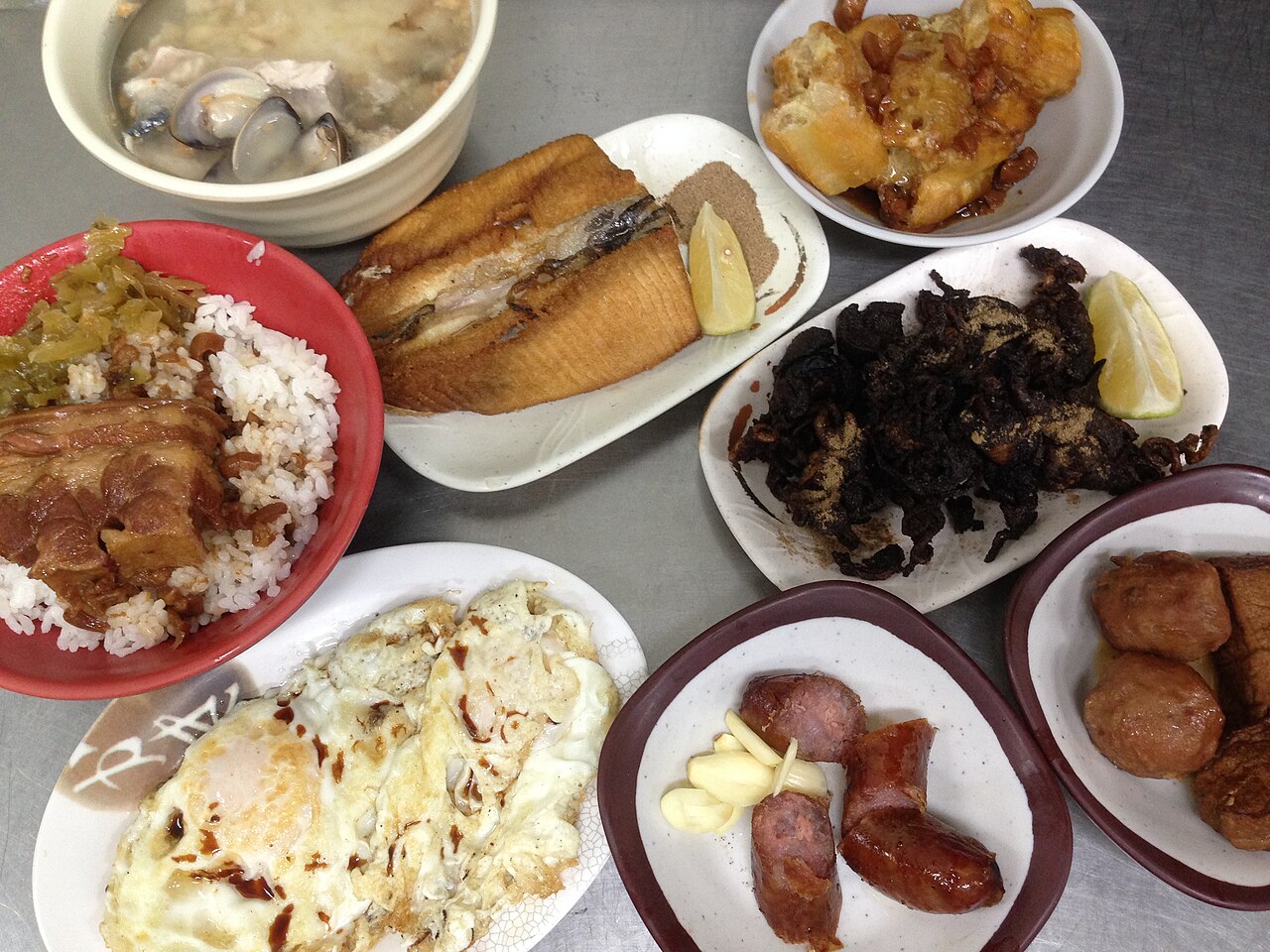
Both styles are breakfast food, and some Tainan shops open well before dawn and close by early afternoon. A youtiao (油條, fried dough stick) for dunking is the usual partner, with braised pork rice or milkfish belly in pork sauce on the side. Tainan menus often list bowls by cut, such as belly (魚肚粥) or skin (魚皮粥). In Taipei, pork congee is often eaten with fried red pork (紅燒肉).
Around Taiwan
- Tainan
- Shops differ in the details. A Hsing Congee (阿星鹹粥), open since 1965, boils fish bones and heads each day. Xie Shopkeeper (謝掌櫃) piles shrimp, clams and cuttlefish into its bowl. Xuejia (學甲), one of the main milkfish-farming districts, has congee shops of its own.
- North
- Taipei's Wanhua and Datong districts have pork congee stalls with 50 to 60 years of trade, such as Yeh Family Pork Congee (葉家肉粥) by Cisheng Temple, which cooks raw rice in bone stock with dried shrimp and shallot. Keelung stalls add cabbage, and one in Xizhi cooks over charcoal.
- Central
- In Taichung, Tai Ke Meat Congee opened in 2018 but goes back to a grandfather's stall at Zhongxiao night market. Its stock uses vegetables, pork and chicken bones, with bamboo shoot, shallot and Chinese celery for fragrance, and it is eaten with fried pork belly and youtiao.