What it is
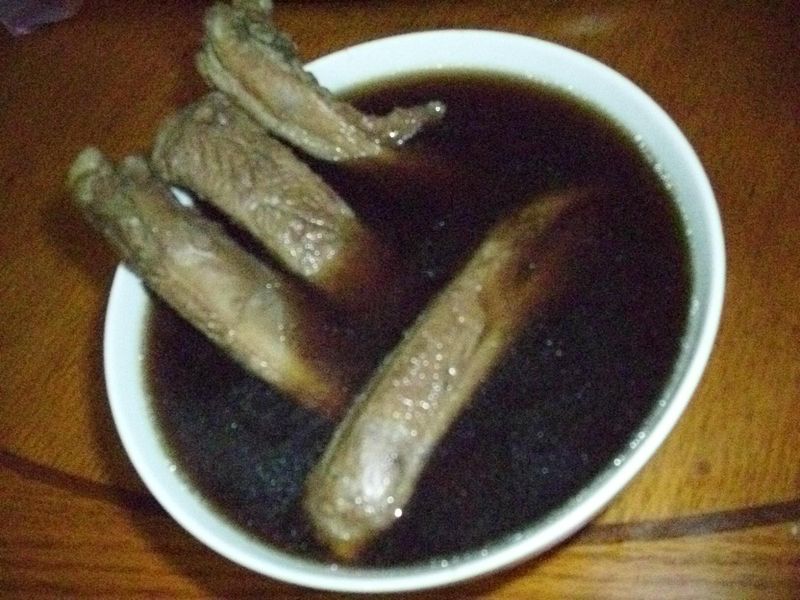
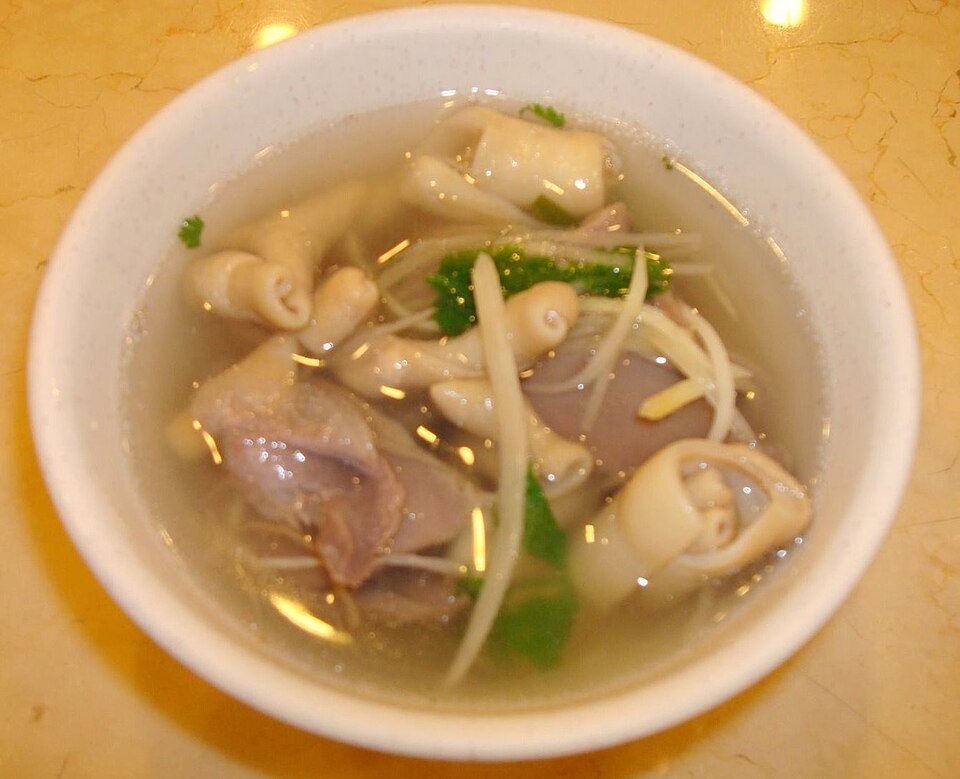
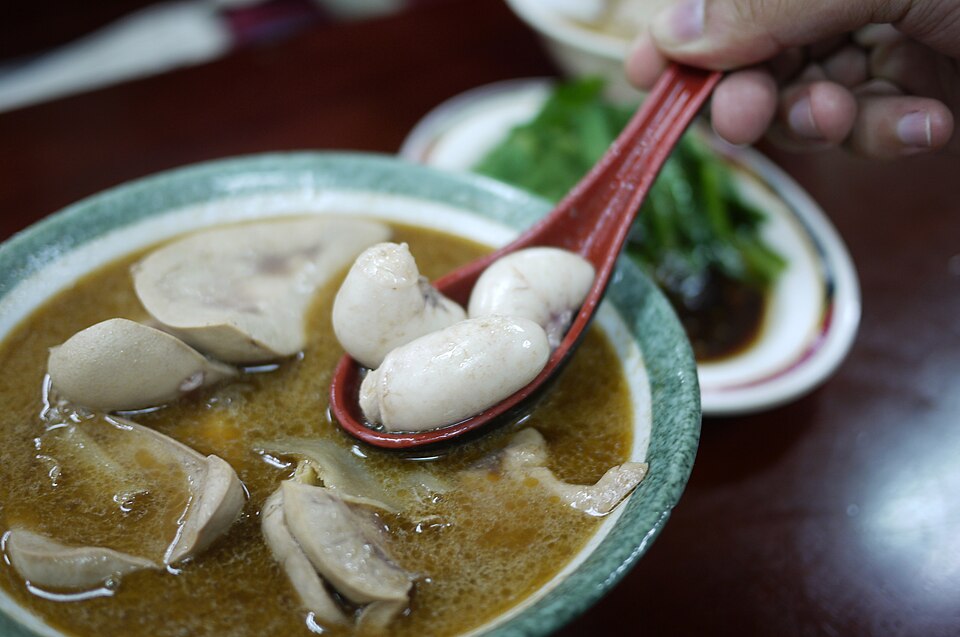
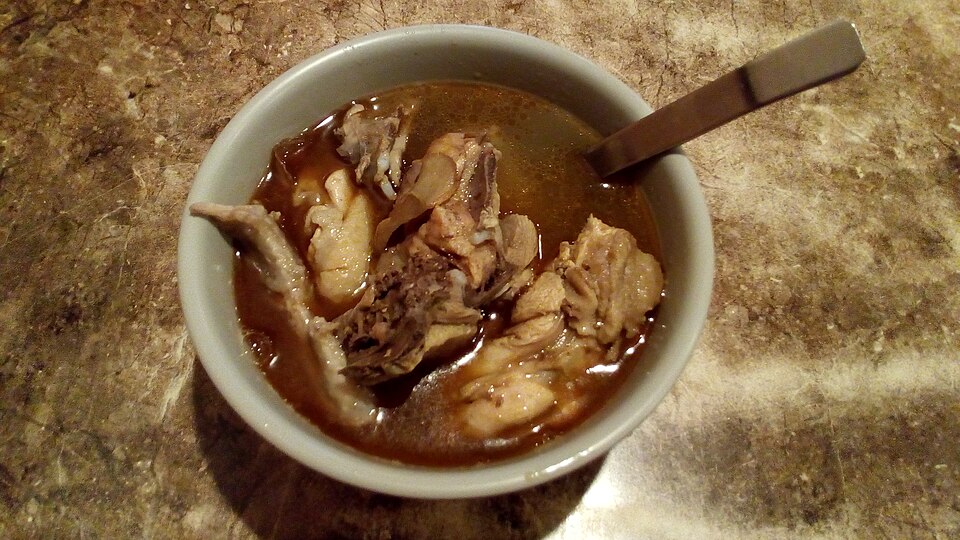
Herbal tonic soup (藥膳湯) covers a family of dishes eaten as tonic food (進補, jinbu). Some are built on classic herb formulas, such as ten-herb shiquan dabu soup (十全大補湯). Others rely on warming ingredients. Sesame oil chicken (麻油雞) is free-range chicken fried with old ginger in sesame oil, then simmered in rice wine. Ginger duck and lamb hotpot belong to the same winter group.
Where it came from
Eating rich, warming food as the weather turns cold is an old habit. In Taiwan it centres on Lidong (立冬), the solar term that opens winter in early November, when families "replenish for winter" (補冬). A folk saying promises that tonic food in winter gives you the strength to fight a tiger the next year. The traditional reasoning is that the body needs feeding up as the cold sets in.
Sesame oil chicken has a second role. It is a staple of zuo yuezi (坐月子), the month or so of rest after giving birth, because it counts as warming food, is high in protein and costs little. Records of that confinement custom go back more than 2,000 years, to the Book of Rites.
The herbal soups draw on Chinese medicine. The Four Substances Decoction (四物湯), a blood tonic listed in a Song dynasty pharmacopoeia and used mainly for menstrual problems, gives its name to four-substance chicken (四物雞).
How it is made
For sesame oil chicken, the pieces are blanched and drained. Slices of old ginger are fried in pure sesame oil until fragrant, then the chicken goes in to brown. Rice wine and water are added and the pot simmers for about half an hour. Using rice wine alone gives a stronger, sweeter broth. For herbal soups, health officials advise soaking the herbs in cold water first and cooking in ceramic or stainless steel, not iron or aluminium.
How to eat it
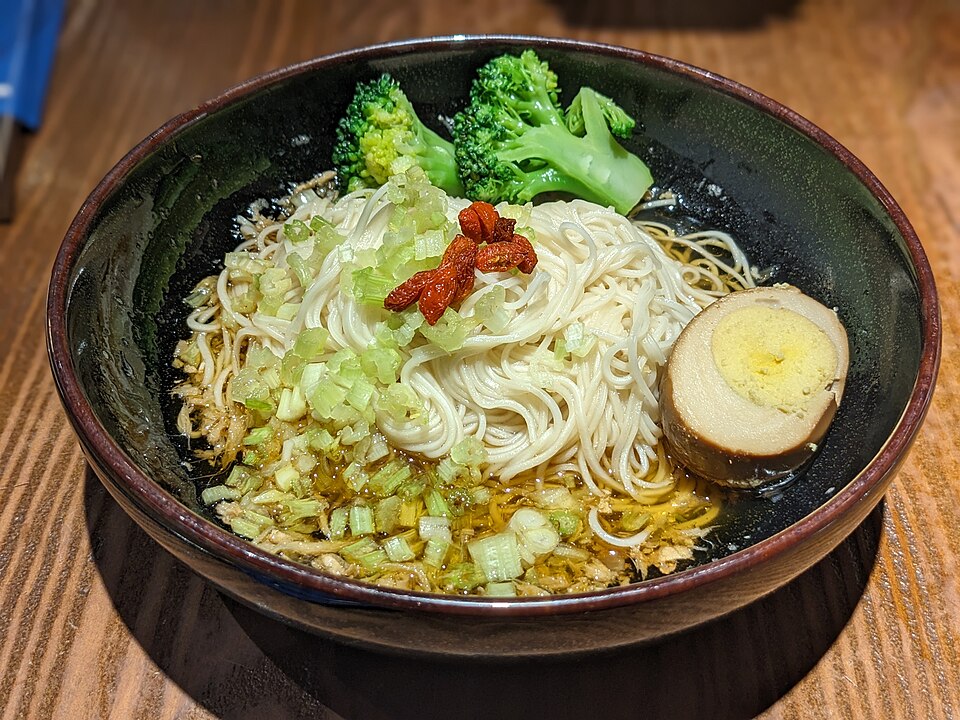
Tonic soups are eaten through the cool months, and many families cook one around Lidong. Noodles tossed in sesame oil (麻油麵線) are a common side. At herbal restaurants, ask staff which soup suits you, as each formula has a different purpose. People with high blood pressure, chronic illness or a cold, or those taking medicine, are advised to consult a doctor or pharmacist first.
Around Taiwan
- Tainan
- Po Jen Tang (博仁堂) serves tonic soups inside a century-old Chinese medicine shop and keeps its apothecary cabinets. A fourth-generation herbalist brought the family from Guangdong; the sixth generation runs it now. The signature is a ten-herb soup, and set meals add sesame-oil noodles.