
What it is
Iron eggs (鐵蛋) are a Taiwanese take on soy-braised eggs, toughened by repeated braising and drying. They come out dark brown and chewy, sweet and salty with a little heat. Chicken, pigeon and quail eggs are used, with quail the most popular. Duck eggs do not work.
Where it came from
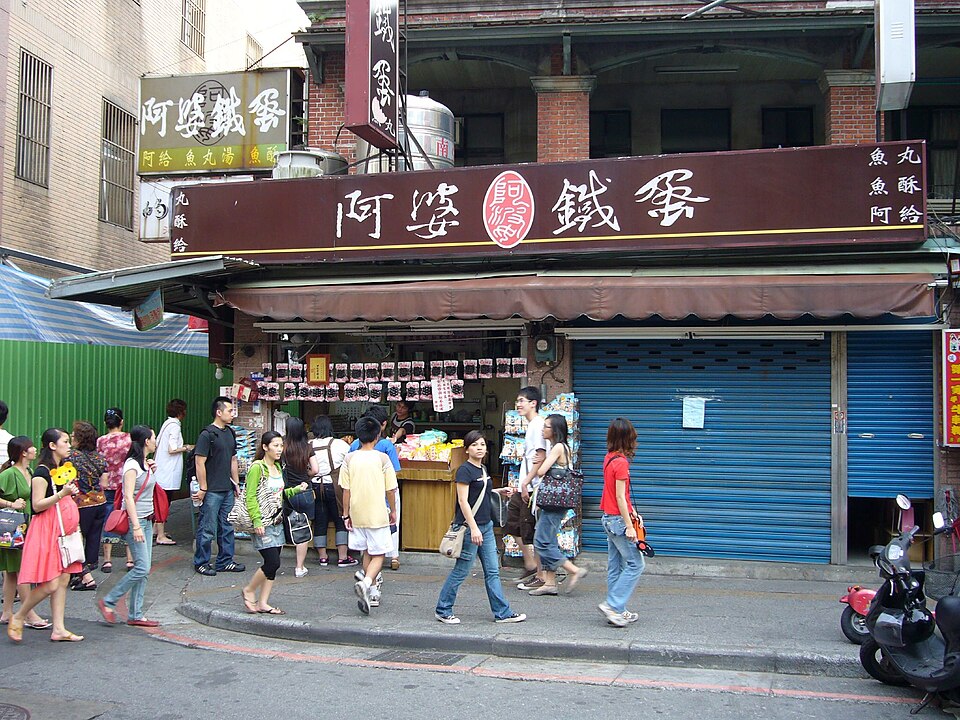
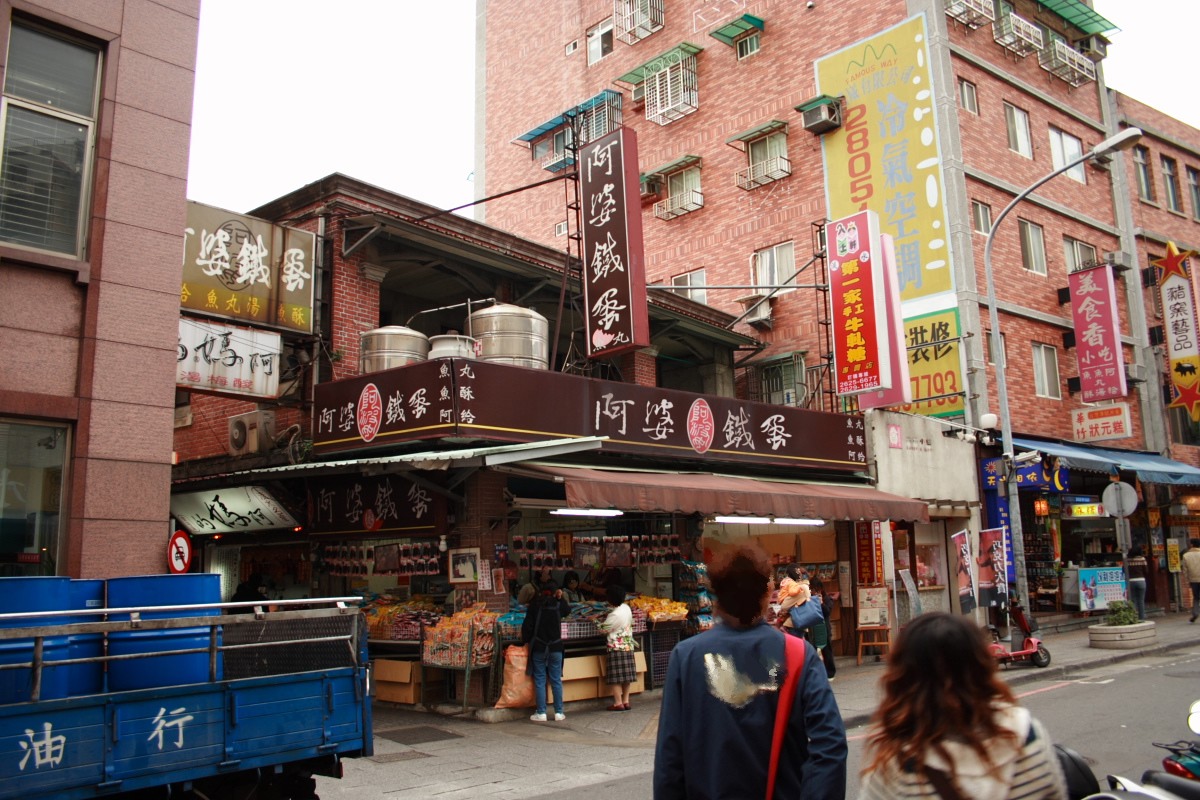
Iron eggs come from Tamsui (淡水), the old river port in New Taipei, and are often sold as Tamsui iron eggs. Two women are credited with them, and both stories involve an accident.
One credits Huang Chang-nian (黃張哖), known locally as 阿哖婆 (Grandma Nian), who ran a small noodle stall by the ferry landing. On a wet, quiet day she kept re-braising her eggs, which grew darker and firmer, and customers came to prefer them. The other credits Yang Bi-yun (楊碧雲), who sold braised eggs at a breakfast shop, left a batch in the pot too long and called the result iron eggs. Yang is said to have opened the first shop selling them in 1980, and she registered the Apo Tiedan (阿婆鐵蛋, "Grandma's iron eggs") brand.
A 1983 article in the Min Sheng Bao newspaper drew wide attention to the snack, and it became one of Tamsui's best-known foods.
How it is made
The eggs are braised for about three hours in a brine of soy sauce and five-spice, then dried in front of a fan. The cycle is repeated each day for about a week. Each round makes the egg smaller, darker and firmer, and concentrates the flavour.
How to eat it
Eat them as a snack, on their own or with a drink, or order one on the side with a rice dish. Ask for 鐵蛋 (tiě dàn).
Around Taiwan
- Kaohsiung
- Bei Gang Tsai (北港蔡三代筒仔米糕), a family tube-rice shop in Yancheng open since 1956, keeps a simple menu of tube rice, soups and iron eggs. Order an egg on the side to go with the rice.