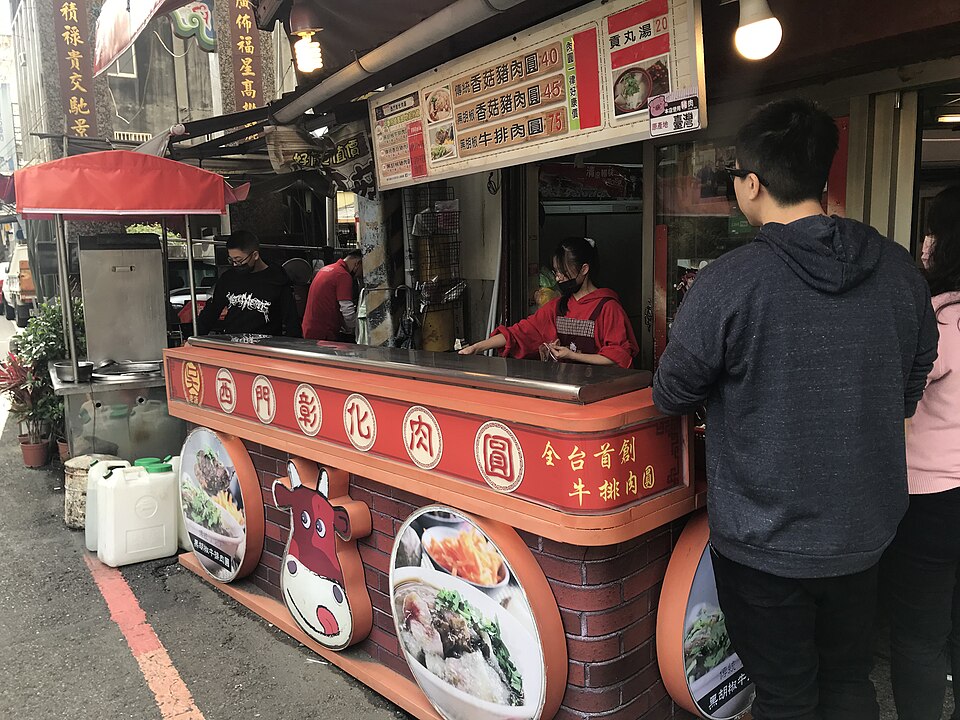
What it is
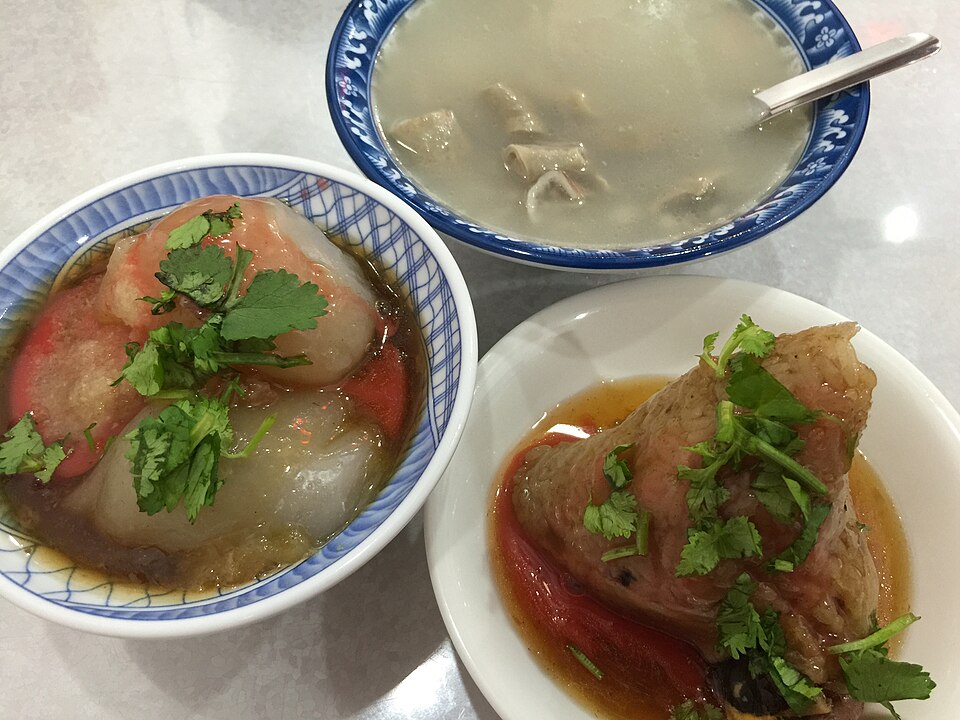
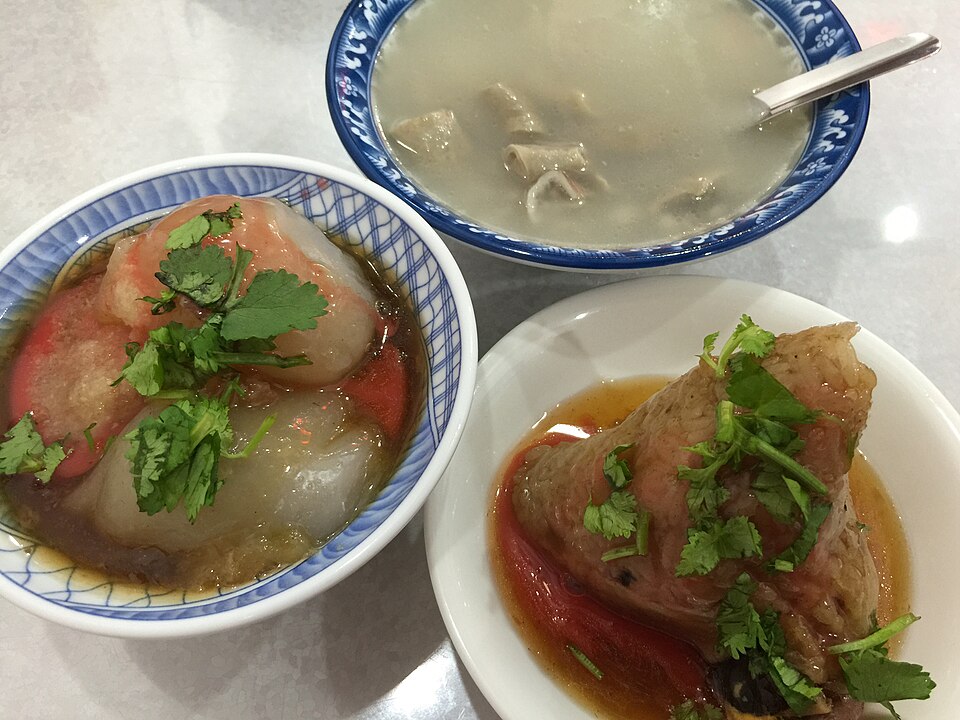
Ba-wan (肉圓) are dumplings with a thick, chewy, translucent starch skin around a meat filling. Most of Taiwan steams or deep-fries them. In Cishan (旗山) they are pan-fried (煎肉圓) instead. The skin turns lightly browned, a little like the crust at the bottom of a rice pot, but keeps its bounce. The filling is lean pork with spring onion.
Where it came from
Ba-wan are believed to have begun in Beidou, Changhua. The story goes that a scribe, Fan Wan-chu, made them as relief food after floods in 1898. Today most are steamed or deep-fried, and Chiayi also has a cold-dressed version.
Cishan's pan-fried style is tied to one shop. Wu Chi Meatballs (吳記肉丸), beside the old street, has traded for more than 50 years and is often called the originator of the town's pan-fried ba-wan. The meatballs are now one of the standard snacks on Cishan Old Street.
How it is made
The skin is made from sweet potato starch, which some cooks blend with corn starch. Each day the filling of pork, spring onion and salt is stir-fried fresh. The dumplings are shaped by hand and steamed, then left to rest. Finally they go into a pan with lard and fry until both sides are golden and slightly scorched.
How to eat it
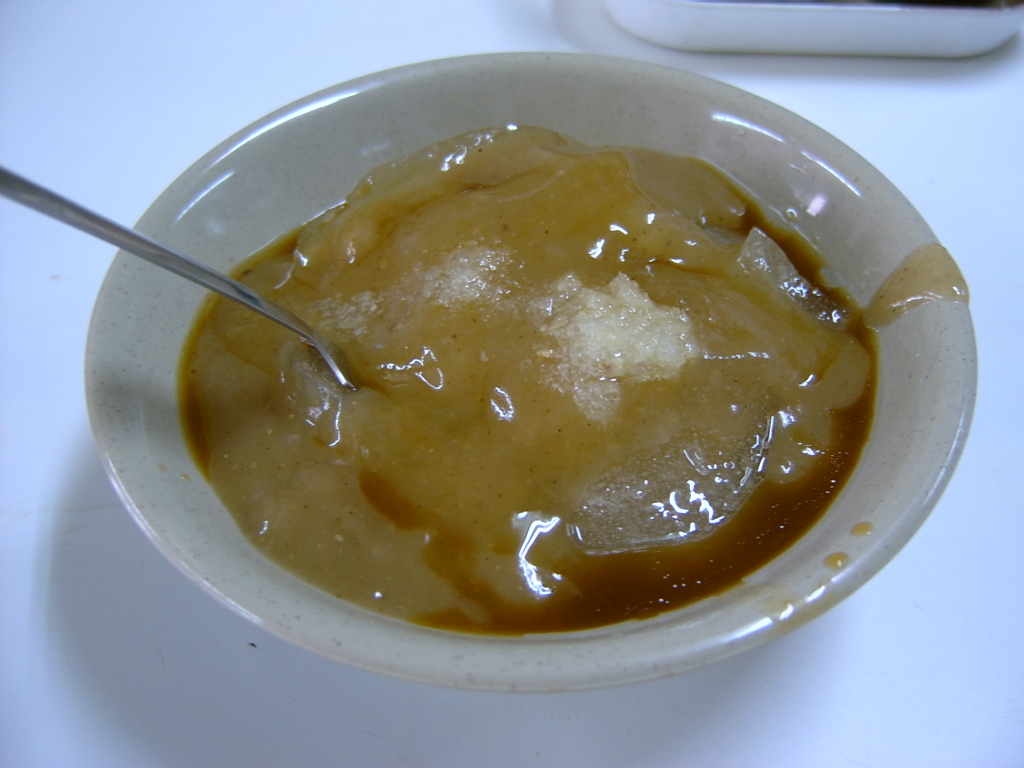
Ba-wan come with a thickened soy sauce based on braised-pork juices, pink sweet chilli sauce and chopped coriander. One rarely satisfies, so locals usually order two. Wu Chi also sells pork blood soup and meat thick soup (肉焿), which make a fuller meal.
Around Taiwan
- Kaohsiung
- Pan-frying is the mark of Cishan, an inland district of Kaohsiung. Wu Chi Meatballs (吳記肉丸) is the shop most associated with it, and weekend queues are common.