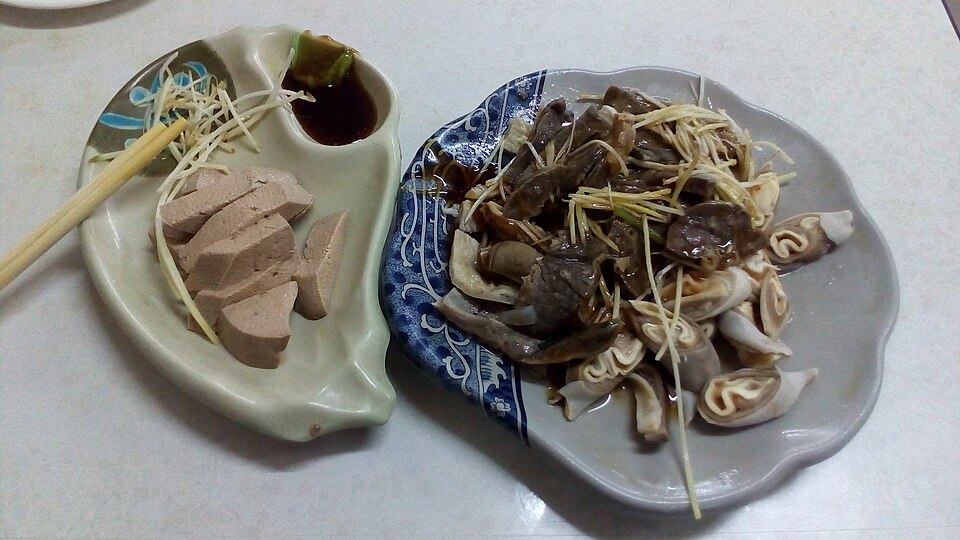
What it is
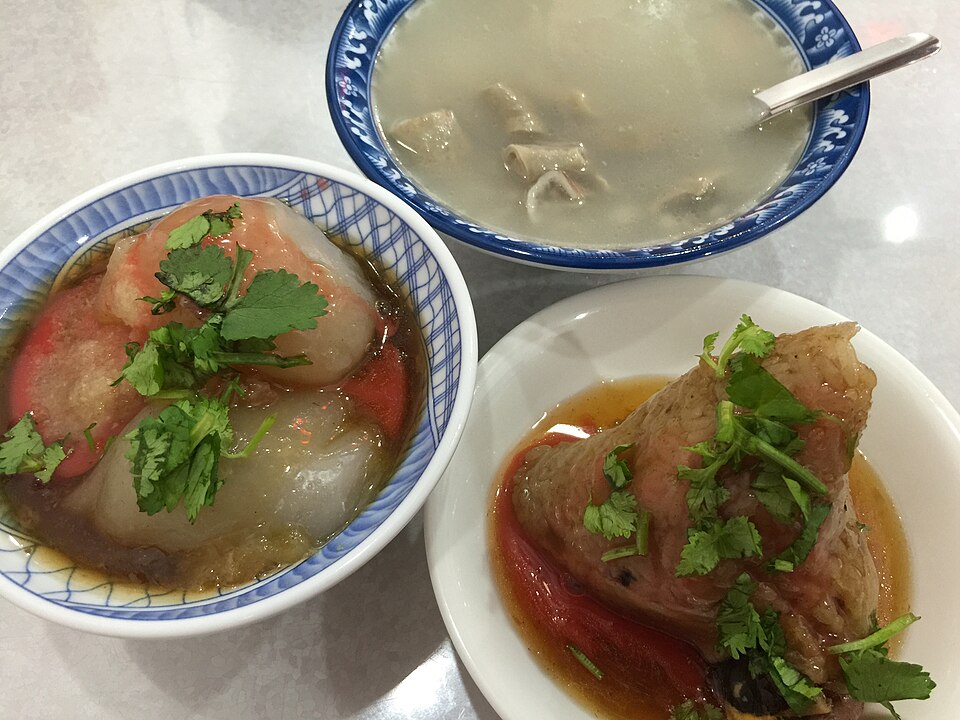
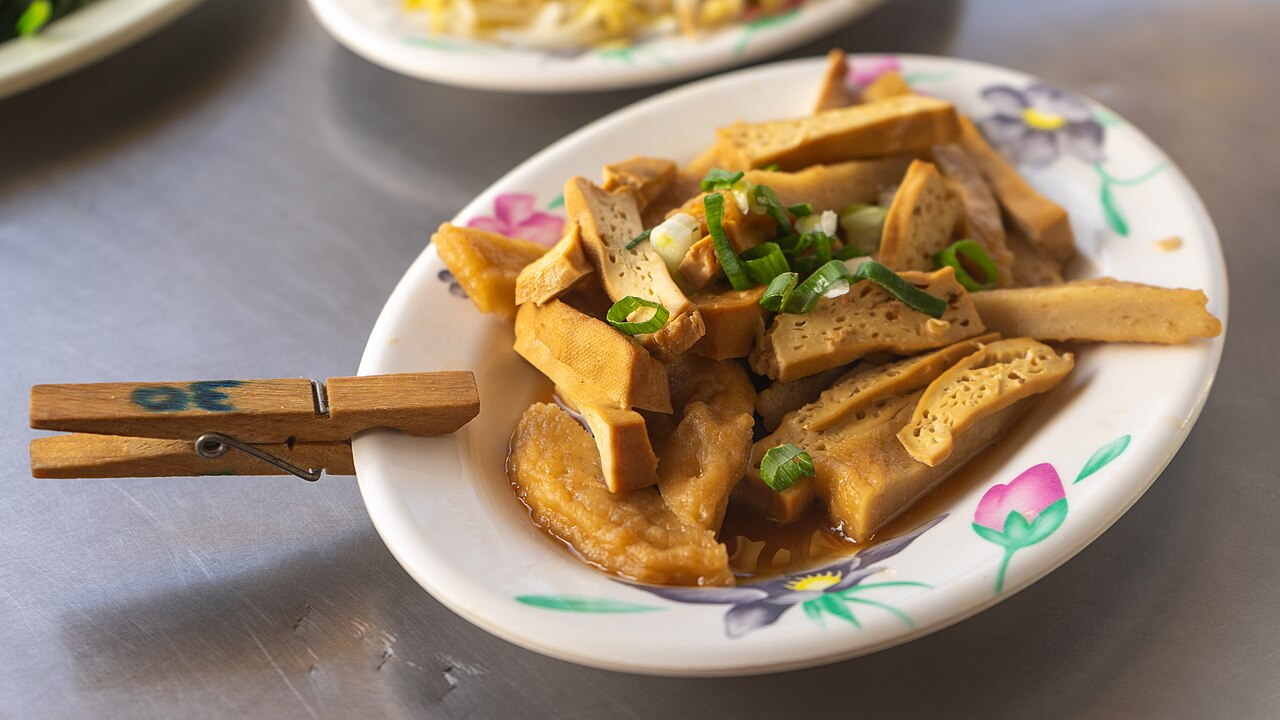
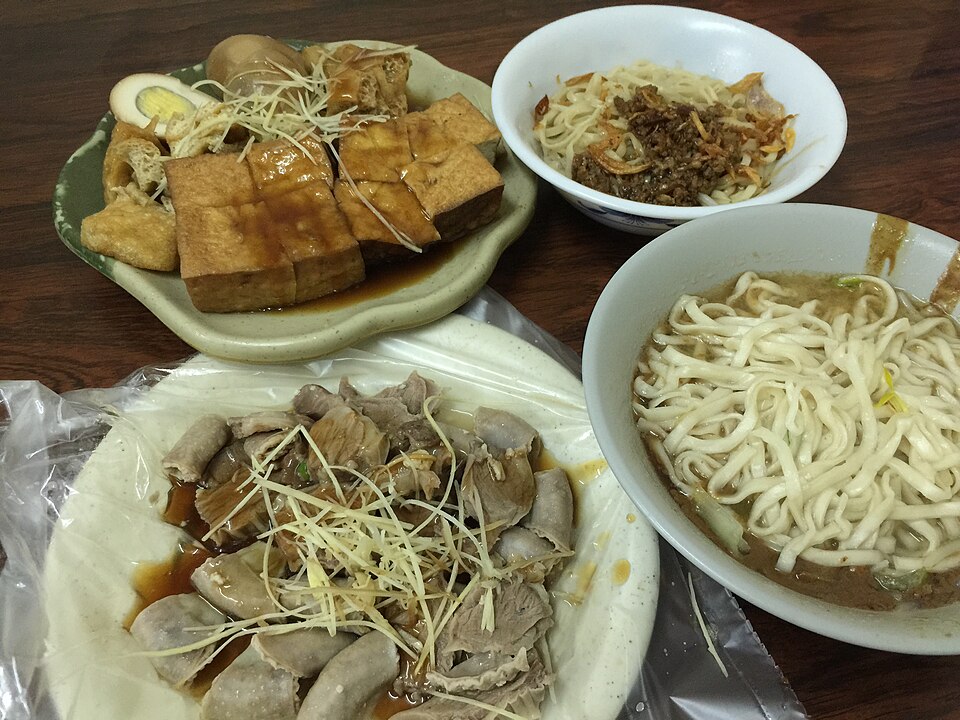
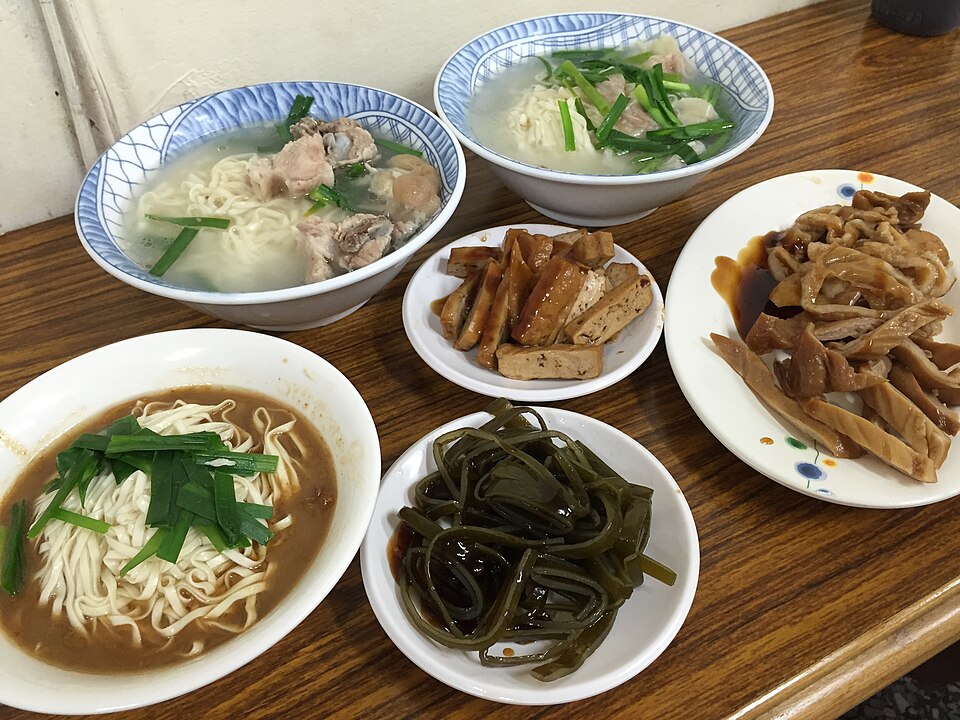
Hei bai qie (黑白切) is a plate of cooked pork cuts and offal, sliced to order at noodle shops, roadside stalls and night markets. Liver, heart, tongue, lung, small intestine, cheek meat and skin are typical. Many stalls add braised egg, kelp and blanched greens. It reaches the table fast and wastes little of the pig.
Where it came from
The name is the Mandarin spelling of the Taiwanese Hokkien oo-pe̍h-tshiat (烏白切). Oo-pe̍h means 'black and white', and in everyday speech it also means 'any old how'. A diner with no particular cut in mind gives a budget or a head count and leaves the choice to the cook. The writer Fu Shih-ling (傅士玲), author of a book on Taiwanese pork and hei bai qie, reads the phrase as a gesture of trust: you decide, and I am happy with it.
The dish grew out of scarcity. Farming families seldom ate meat, and pigs were killed mainly for festivals and temple feasts. Noodle stalls took the offal left after slaughter, cleaned it, and blanched or braised it, turning it into cheap protein for working people. Because the cuts on hand changed from day to day, a mixed plate made sense. As incomes rose, the range of side dishes grew into the spread found today.
How it is made
Each cut is cleaned thoroughly, then blanched in water or simmered in a braising liquid until just done. At some noodle shops the offal cooks in the same pot that later becomes the noodle broth. The pieces are lifted out and sliced thin when ordered. Timing is the real test: pork liver should stay soft and faintly pink in the middle, while pig's bladder (小肚) can be served tender or crunchy.
How to eat it
It is a side order with qie zai mian (切仔麵, blanched noodles), rice noodle soup or rice. Point at the cuts on display, or name a budget and let the stall choose. Dip the slices in soy paste (醬油膏) or garlic soy paste, often with the stall's sweet chilli sauce.
Around Taiwan
- Tainan
- Tainan's related plate is xiangchang shurou (香腸熟肉, 'sausage and cooked meat'), and it is always eaten cold.
- Kaohsiung
- At Cheng's Noodles (鄭家切仔麵) in Yancheng, pork heart, liver and tongue simmer in the noodle broth and come out of the pot from about ten in the morning. In Ciaotou, Ciao Zai Tou Huang's Braised Pork Rice (橋仔頭黃家肉燥飯) serves a mixed plate of intestine, liver, heart and tongue.
- North
- Taipei speakers call it oo-pe̍h-tshiat. New Taipei City has run a hei bai qie contest, where judges praised melting pork liver (粉肝), springy cheek meat (嘴邊肉) and smoked pork skin.
- South
- In Chiayi the plate is called lóo-sio̍k-bah (滷熟肉), and some of it is served hot. At Cai Ya (菜鴨魯熟肉), one of the city's older stalls, freshly blanched offal and seasonal greens fill the counter before the morning trade.